The Peptides sold on this site are for RESEARCH USE ONLY and NOT FOR HUMAN USE.

Shop

Showing all 12 results

  • BPC-157 – 5 mg / TB-4 – 5 mg – Research Peptide

    BPC-157 – 5 mg / TB-4 – 5 mg – Research Peptide

    Price range: $24.99 through $69.99

    BPC-157 / TB-4 5 mg / 5 mg (“Wolverine” Blend) – Research FAQ

    Q: What is the BPC-157 5 mg / TB-4 5 mg blend?
    A: This product is a research-grade peptide blend containing 5 mg of synthetic BPC-157 and 5 mg of synthetic full-sequence Thymosin Beta-4 (TB-4) in a single lyophilized vial. It is supplied for controlled laboratory investigation.

    Q: Why is this blend sometimes referred to as “Wolverine”?
    A: “Wolverine” is an informal name commonly used within the research-peptide market for certain BPC-157 and thymosin-related combinations. It is not a scientific classification and does not describe or imply an established medical, therapeutic, or physiological effect.

    Tablerock uses the name only as a convenient identifier for the BPC-157 / TB-4 combination.

    Q: What is Thymosin Beta-4 (TB-4)?
    A: Thymosin Beta-4 is a naturally occurring peptide consisting of 43 amino acids. It has been investigated in experimental research involving actin biology, cellular signaling, cell migration, and other molecular and cellular processes.

    The Tablerock Wolverine blend contains synthetic full-sequence TB-4 as one of its two research components.

    Q: How does full-sequence TB-4 differ from materials marketed as TB-500?
    A: TB-4 refers to the complete Thymosin Beta-4 peptide sequence. The term “TB-500” is used inconsistently within the research-material market and may refer to different thymosin-derived or related materials depending on the supplier.

    For clarity, Tablerock identifies the component in this blend specifically as synthetic full-sequence Thymosin Beta-4 (TB-4). Researchers should verify the identity and documentation of materials when comparing products from different sources.

    Q: What aspects of BPC-157 and TB-4 are studied in research?
    A: Experimental research involving BPC-157 and Thymosin Beta-4 has examined areas including peptide signaling, cellular responses, actin-associated biology, cell migration, angiogenic signaling, and interactions among molecular pathways.

    The available evidence varies by peptide, experimental model, and study design. Findings from laboratory or animal studies should be interpreted within the methodology and limitations of the individual study and should not be interpreted as established clinical effects.

    Q: What is actin and why is it relevant to TB-4 research?
    A: Actin is a widely distributed protein that forms part of the cellular cytoskeleton and contributes to cell structure, movement, and numerous intracellular processes.

    Thymosin Beta-4 has been studied for its interaction with actin, making actin-associated biology an important area of laboratory investigation involving the peptide.

    Q: How should the lyophilized BPC-157 / TB-4 research material be stored?
    A: Laboratory storage and handling should follow applicable institutional procedures, supplier documentation, and established laboratory practices for peptide research materials. Researchers should minimize unnecessary exposure to heat, light, moisture, and repeated temperature changes that could affect material integrity.

    Q: Does Tablerock provide human dosing, administration, or treatment guidance for this blend?
    A: No. Tablerock Elite Peptides does not provide dosing, injection, treatment, therapeutic protocols, or self-administration instructions for this research material.

    Q: Is the BPC-157 / TB-4 5 mg / 5 mg blend intended for human or veterinary use?
    A: No. This product is sold strictly for laboratory research purposes. It is not intended for human or veterinary administration, consumption, diagnosis, treatment, prevention, or other clinical use.

    Research Use Only. Not for Human or Veterinary Use.
    Select optionsLoading Done This product has multiple variants. The options may be chosen on the product page
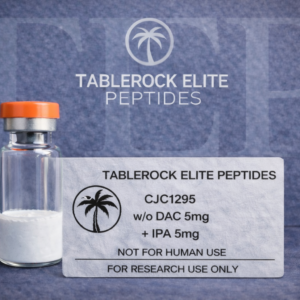
  • CJC1295 w/o DAC + IPA (5mg/5mg) – Research Peptide

    CJC1295 w/o DAC + IPA (5mg/5mg) – Research Peptide

    $49.99
    • CJC-1295 (No DAC) + Ipamorelin – Research FAQ

      Q: What is the CJC-1295 (No DAC) + Ipamorelin blend?
      A: This product is a research-grade peptide blend combining CJC-1295 without Drug Affinity Complex (DAC), a growth hormone-releasing hormone (GHRH) analogue, with Ipamorelin, a peptide studied for its interaction with the ghrelin receptor.

      The combination is supplied as lyophilized research material for controlled laboratory investigation of endocrine signaling and peptide-receptor interactions.

      Q: Why is CJC-1295 without DAC studied separately from DAC-modified CJC-1295?
      A: The presence or absence of a Drug Affinity Complex changes important pharmacological characteristics of CJC-1295. The non-DAC form provides researchers with a model for investigating shorter-duration GHRH-receptor activity, temporal signaling patterns, and interactions with other experimental compounds.

      These differences allow researchers to compare how structural modifications can affect peptide behavior in experimental systems.

      Q: What aspects of CJC-1295 and Ipamorelin are studied in research?
      A: Experimental research involving these peptides has examined GHRH-receptor signaling, ghrelin-receptor signaling, endocrine pathway interactions, growth hormone-related signaling, and downstream GH/IGF-1 pathway biology.

      The significance of reported findings depends on the experimental model, study design, and available evidence. Findings from laboratory or animal studies should be interpreted within the methodology and limitations of the individual study and should not be interpreted as established clinical effects.

      Q: What are GHRH and ghrelin receptors?
      A: GHRH and ghrelin receptors are components of distinct but interconnected biological signaling systems.

      The GHRH receptor participates in signaling associated with growth hormone regulation, while the ghrelin receptor—also known as the growth hormone secretagogue receptor (GHS-R)—is involved in several neuroendocrine signaling pathways.

      Studying compounds that interact with these different receptors allows researchers to investigate receptor activity, signaling relationships, and interactions among endocrine pathways.

      Q: What is the GH/IGF-1 axis?
      A: The GH/IGF-1 axis refers to the interconnected signaling relationship involving growth hormone (GH) and insulin-like growth factor 1 (IGF-1).

      Researchers study this system to better understand endocrine signaling, feedback mechanisms, receptor activity, and associated molecular and biochemical responses. References to the GH/IGF-1 axis describe an area of scientific investigation and do not establish a therapeutic effect of this research material.

      Q: Are peptide quantities the same in every CJC-1295 / Ipamorelin research blend?
      A: No. Composition and ratios can differ among research materials. Researchers should verify the identity, quantity, and composition of each peptide using the product label and available analytical documentation or Certificate of Analysis (COA) before incorporating a material into an experimental design.

      Q: How should the lyophilized CJC-1295 / Ipamorelin research material be stored?
      A: Laboratory storage and handling should follow applicable institutional procedures, supplier documentation, and established laboratory practices for peptide research materials. Researchers should minimize unnecessary exposure to heat, light, moisture, and repeated temperature changes that could affect material integrity.

      Q: Does Tablerock provide human dosing, administration, or treatment guidance for this blend?
      A: No. Tablerock Elite Peptides does not provide dosing, injection, treatment, therapeutic protocols, or self-administration instructions for this research material.

      Q: Is the CJC-1295 (No DAC) + Ipamorelin blend intended for human or veterinary use?
      A: No. This product is sold strictly for laboratory research purposes. It is not intended for human or veterinary administration, consumption, diagnosis, treatment, prevention, or other clinical use.

      Research Use Only. Not for Human or Veterinary Use.
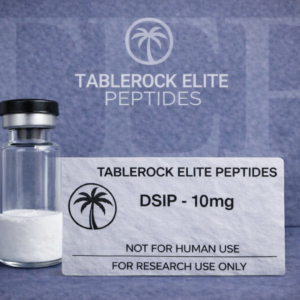
  • DSIP 10mg – Research Peptide

    DSIP 10mg – Research Peptide

    $10.99
    • DSIP 10 mg – Research FAQ

      Q: What is DSIP 10 mg?
      A: DSIP (Delta Sleep-Inducing Peptide) is a synthetic version of a peptide originally identified and investigated in neuropeptide and neuroendocrine research. This product is supplied as 10 mg of lyophilized research material for controlled laboratory investigation.

      Q: Why is it called Delta Sleep-Inducing Peptide?
      A: The name “Delta Sleep-Inducing Peptide” originates from early experimental research in which the peptide was investigated in connection with electrophysiological sleep patterns, including delta-wave activity.

      The name reflects the historical context in which the peptide was identified and studied. It should not be interpreted as establishing that DSIP produces a clinically proven sleep-related effect.

      Q: What aspects of DSIP are studied in research?
      A: DSIP has been investigated in experimental research involving neuropeptide signaling, neuroendocrine pathways, electrophysiological activity, biological rhythms, and interactions among neurological and endocrine systems.

      Research involving DSIP has produced varied findings across different experimental models. The significance of reported observations depends on study design, methodology, and evidence quality, and findings should not be interpreted as established clinical effects.

      Q: What are neuroendocrine pathways?
      A: Neuroendocrine pathways are communication systems connecting the nervous system with hormone-producing endocrine systems.

      Researchers study these pathways to understand how neurological signals, hormones, receptors, and feedback mechanisms interact to coordinate biological processes.

      Q: What does “delta-wave activity” mean?
      A: Delta waves are patterns of low-frequency electrical activity that can be measured in the brain using techniques such as electroencephalography (EEG).

      Delta-wave activity is studied in neuroscience and sleep research as one component of brain electrical activity. Its inclusion in DSIP research describes an area of scientific investigation rather than an established therapeutic effect of this research material.

      Q: How should lyophilized DSIP research material be stored?
      A: Laboratory storage and handling should follow applicable institutional procedures, supplier documentation, and established laboratory practices for peptide research materials. Researchers should minimize unnecessary exposure to heat, light, moisture, and repeated temperature changes that could affect material integrity.

      Q: Does Tablerock provide human dosing, administration, or treatment guidance for DSIP 10 mg?
      A: No. Tablerock Elite Peptides does not provide dosing, injection, treatment, therapeutic protocols, or self-administration instructions for this research material.

      Q: Is DSIP 10 mg intended for human or veterinary use?
      A: No. DSIP 10 mg is sold strictly for laboratory research purposes. It is not intended for human or veterinary administration, consumption, diagnosis, treatment, prevention, or other clinical use.

      Research Use Only. Not for Human or Veterinary Use.
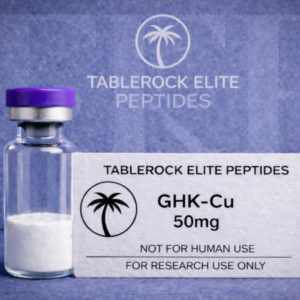
  • GHK‑Cu 50mg – Research Peptide

    GHK‑Cu 50mg – Research Peptide

    $15.99

    GHK-Cu 50 mg – Research FAQ

    Q: What is GHK-Cu 50 mg?
    A: GHK-Cu is a copper-binding tripeptide consisting of the amino-acid sequence glycyl-L-histidyl-L-lysine (GHK) complexed with copper ions. This product is supplied as 50 mg of lyophilized research material for controlled laboratory investigation.

    Q: What aspects of GHK-Cu are studied in research?
    A: Experimental research involving GHK-Cu has examined copper-binding activity, cellular signaling, gene-expression patterns, extracellular-matrix biology, fibroblast activity, and molecular pathways associated with cellular and tissue-level responses.

    The available evidence includes different experimental models and levels of scientific evidence. Findings should therefore be interpreted within the methodology, design, and limitations of each individual study and should not be interpreted as established clinical or cosmetic effects.

    Q: What does “copper-binding peptide” mean?
    A: A copper-binding peptide is a peptide capable of forming a molecular complex with copper ions. In GHK-Cu, the GHK peptide coordinates copper through interactions involving its amino-acid structure.

    Copper participates in numerous biological and biochemical processes, making peptide-copper interactions an area of interest in molecular, cellular, and biochemical research.

    Q: What is the extracellular matrix and why is it studied?
    A: The extracellular matrix (ECM) is the network of proteins and other molecules surrounding cells that contributes to cellular structure, organization, communication, and signaling.

    Researchers study GHK-Cu in experimental systems involving ECM-associated biology to investigate relationships among peptide signaling, cellular responses, gene expression, and matrix-associated processes.

    Q: What are fibroblasts?
    A: Fibroblasts are cells found in connective tissues that participate in the production and organization of components of the extracellular matrix.

    Because fibroblasts play an important role in extracellular-matrix biology, they are frequently used in laboratory models investigating cellular signaling and matrix-associated molecular processes.

    Q: How should lyophilized GHK-Cu research material be stored?
    A: Laboratory storage and handling should follow applicable institutional procedures, supplier documentation, and established laboratory practices for peptide research materials. Researchers should minimize unnecessary exposure to heat, light, moisture, and repeated temperature changes that could affect material integrity.

    Q: Does Tablerock provide cosmetic, human dosing, administration, or treatment guidance for GHK-Cu 50 mg?
    A: No. Tablerock Elite Peptides does not provide topical application, dosing, injection, treatment, cosmetic-use, therapeutic protocols, or self-administration instructions for this research material.

    Q: Is GHK-Cu 50 mg intended for human or veterinary use?
    A: No. GHK-Cu 50 mg is sold strictly for laboratory research purposes. It is not intended for human or veterinary administration, consumption, topical cosmetic application, diagnosis, treatment, prevention, or other clinical use.

    Research Use Only. Not for Human or Veterinary Use.

    Batch Documentation

    Current batch COA: View GHK-Cu 50 mg COA

    Batch-specific analytical documentation for this product is also available through the Tablerock Elite Peptides Certificates of Analysis (COA) Library.

  • KPV – 10 mg – Research Peptide

    KPV – 10 mg – Research Peptide

    $74.99
    • KPV 10 mg – Research FAQ

      Q: What is KPV 10 mg?
      A: KPV 10 mg is a synthetic tripeptide composed of lysine, proline, and valine (Lys-Pro-Val). Each vial contains 10 mg of lyophilized research material intended for controlled laboratory and analytical investigation.

      KPV corresponds to the C-terminal three-amino-acid sequence of alpha-melanocyte-stimulating hormone (α-MSH) and is also referenced in scientific literature as the α-MSH (11–13) fragment.

      Q: What areas of research involve KPV?
      A: KPV has been investigated in experimental research involving cellular signaling, epithelial biology, inflammatory-response-associated pathways, peptide transport, melanocortin-derived peptide activity, and innate host-defense-associated mechanisms.

      Research findings vary according to experimental model, methodology, and study design and should not be interpreted as established clinical effects.

      Q: What is the relationship between KPV and α-MSH?
      A: KPV represents the three C-terminal amino acids—Lys-Pro-Val—of the larger α-MSH peptide.

      Researchers may use KPV as an experimental material to investigate biological activity associated with this specific peptide fragment and compare its characteristics with α-MSH or other melanocortin-derived research peptides.

      KPV should not be assumed to possess all of the biological characteristics of the complete α-MSH peptide.

      Q: Why is NF-κB associated with KPV research?
      A: NF-κB refers to a family of proteins involved in regulation of gene expression and numerous cellular signaling processes.

      Experimental research involving KPV has examined NF-κB-associated pathways and related molecular responses under defined laboratory conditions. Observation of changes within these pathways does not by itself establish an anti-inflammatory or therapeutic effect.

      Q: What is PepT1 and why does it appear in KPV research?
      A: PepT1 is a peptide transporter involved in the transport of certain small peptides across cellular membranes.

      KPV has been investigated in experimental systems examining PepT1-associated transport, making peptide uptake and transport mechanisms an area of laboratory interest involving this research material.

      Q: Why are microbial systems sometimes studied with KPV?
      A: Experimental research has examined KPV and related α-MSH-derived peptides in laboratory systems involving selected microorganisms and innate host-defense-associated mechanisms.

      These studies investigate peptide-microorganism interactions and associated molecular responses. Laboratory observations should not be interpreted as demonstrating antimicrobial effectiveness or suitability for treating infections.

      Q: Are findings from KPV research considered established clinical effects?
      A: No. Findings obtained from biochemical, cellular, animal, or other experimental models must be interpreted within the methodology and limitations of the individual study.

      Research involving signaling pathways, biomarkers, microorganisms, or experimental models does not establish that KPV is safe, effective, or suitable for human or veterinary use.

      Q: Is KPV 10 mg an approved pharmaceutical product?
      A: No. KPV 10 mg sold by Tablerock Elite Peptides is supplied solely as a laboratory research material. It is not manufactured, labeled, or supplied as an approved pharmaceutical, cosmetic, antimicrobial, or therapeutic product.

      Q: How should KPV 10 mg research material be stored?
      A: Lyophilized KPV should generally be maintained sealed, dry, protected from light and moisture, and under appropriate refrigerated or frozen laboratory conditions.

      Prepared laboratory solutions should be handled according to the applicable experimental protocol, product documentation, and institutional standard operating procedures.

      Q: Does Tablerock provide dosing or administration instructions for KPV 10 mg?
      A: No. Tablerock Elite Peptides does not provide or endorse human or veterinary dosing, administration, injection, ingestion, topical application, treatment protocols, reconstitution-for-human-use instructions, or self-administration guidance for KPV.

      Q: Is KPV 10 mg intended for human or veterinary use?
      A: No. KPV 10 mg is supplied strictly for laboratory research use only. It must not be used for human or animal injection, ingestion, consumption, topical application, self-administration, diagnosis, treatment, cure, mitigation, prevention, or any other clinical, cosmetic, or therapeutic purpose.

      Research Use Only. Not for Human or Veterinary Use.

  • NAD+ – 1000 mg – Research Compound

    NAD+ – 1000 mg – Research Compound

    $129.99

    NAD+ 1000 mg – Research FAQ

    Q: What is NAD+ 1000 mg?
    A: NAD+ 1000 mg is Nicotinamide Adenine Dinucleotide, a naturally occurring dinucleotide coenzyme supplied as a dry research material for controlled laboratory and analytical investigation.

    Each vial contains 1000 mg of NAD+ research material.

    Q: Is NAD+ a peptide?
    A: No. NAD+ is not a peptide. It is a nucleotide-derived biological coenzyme involved in numerous biochemical reactions and enzyme systems.

    It is offered by Tablerock Elite Peptides as a laboratory research material rather than as a peptide.

    Q: What is the relationship between NAD+ and NADH?
    A: NAD+ is the oxidized form of a biological redox pair, while NADH is the corresponding reduced form.

    The reversible relationship between NAD+ and NADH is important in electron-transfer reactions and numerous metabolic processes. Researchers may measure or experimentally manipulate the NAD+/NADH relationship when investigating cellular and biochemical systems.

    Q: What areas of research involve NAD+?
    A: NAD+ is widely investigated in experimental research involving cellular metabolism, oxidation-reduction reactions, NAD+/NADH redox biology, mitochondrial-associated metabolism, enzyme activity, sirtuin-associated pathways, PARP-associated pathways, and intracellular signaling.

    These areas describe biochemical research applications and should not be interpreted as established clinical or therapeutic effects.

    Q: Why is NAD+ used in sirtuin research?
    A: Sirtuins are a family of NAD+-dependent enzymes. Because their enzymatic activity involves NAD+, researchers may manipulate or measure NAD+ availability when investigating sirtuin-associated molecular pathways.

    Changes observed in enzyme activity or experimental biomarkers do not by themselves establish a clinical effect.

    Q: Why is NAD+ associated with PARP research?
    A: Poly(ADP-ribose) polymerases (PARPs) are enzymes involved in ADP-ribosylation and other cellular molecular processes.

    NAD+ serves as a substrate in PARP-associated enzymatic reactions, making it relevant to experimental investigation of enzyme activity, ADP-ribosylation, molecular signaling, and cellular responses associated with DNA integrity.

    Q: Why is NAD+ investigated in mitochondrial research?
    A: NAD+/NADH-dependent reactions participate in numerous metabolic processes associated with cellular and mitochondrial biology.

    Researchers may examine NAD+ and NADH when investigating metabolic pathways, redox conditions, mitochondrial-associated metabolism, and biochemical responses to changes in cellular metabolic state.

    This research context does not establish that NAD+ 1000 mg sold by Tablerock Elite Peptides produces any particular physiological or therapeutic outcome.

    Q: Are findings from NAD+ research considered established clinical effects?
    A: No. Results obtained from biochemical, cellular, animal, or other experimental models must be interpreted within the methodology and limitations of the individual study.

    Research involving metabolic pathways, enzymes, molecular markers, or experimental models does not establish that this research material is safe, effective, or suitable for human or veterinary use.

    Q: Is NAD+ 1000 mg sold by Tablerock an approved pharmaceutical product?
    A: No. NAD+ 1000 mg sold by Tablerock Elite Peptides is supplied solely as a laboratory research material. It is not manufactured, labeled, or supplied as a prescription drug, compounded medication, dietary supplement, cosmetic, food product, or other finished pharmaceutical or consumer product.

    Q: How should NAD+ 1000 mg research material be stored?
    A: Dry NAD+ research material should generally be maintained tightly sealed and protected from moisture, unnecessary light, and heat according to applicable product documentation and laboratory procedures.

    Prepared laboratory solutions should be handled according to the applicable experimental protocol and institutional standard operating procedures. Factors such as temperature, pH, concentration, and storage duration may affect experimental handling requirements.

    Q: Does Tablerock provide dosing or administration instructions for NAD+ 1000 mg?
    A: No. Tablerock Elite Peptides does not provide or endorse human or veterinary dosing, administration, injection, infusion, ingestion, topical application, treatment protocols, preparation-for-human-use instructions, or self-administration guidance for NAD+.

    Q: Is NAD+ 1000 mg intended for human or veterinary use?
    A: No. NAD+ 1000 mg is supplied strictly for laboratory research use only. It must not be used for human or animal injection, infusion, ingestion, consumption, topical application, self-administration, diagnosis, treatment, cure, mitigation, prevention, or any other clinical, cosmetic, or therapeutic purpose.

    Research Use Only. Not for Human or Veterinary Use.

  • Selank 10mg– Research Peptide

    Selank 10mg– Research Peptide

    $24.99
    • Selank – Research FAQ

      Q: What is Selank?
      A: Selank is a synthetic heptapeptide derived from a peptide sequence associated with tuftsin. It is supplied as a lyophilized research material for controlled laboratory and analytical investigation.

      Q: What quantities of Selank are available?
      A: Tablerock Elite Peptides offers Selank in 5 mg and 10 mg research quantities. The quantity supplied is identified on the individual product label and applicable batch documentation.

      Q: What areas of research involve Selank?
      A: Selank has been investigated in experimental research involving neuropeptide signaling, neurotransmitter-associated pathways, gene-expression responses, neurotrophic-factor-associated signaling, cytokine-associated pathways, and immunological mechanisms.

      Research findings vary according to experimental model, methodology, and study design.

      Q: How is Selank investigated in experimental systems?
      A: Published research has examined Selank in relation to GABA-associated mechanisms, serotonergic and dopaminergic signaling, BDNF-associated pathways, gene-expression patterns, and cytokine-associated signaling.

      These areas describe subjects of scientific investigation and should not be interpreted as established clinical effects or therapeutic claims.

      Q: What is BDNF and why does it appear in Selank research?
      A: BDNF, or brain-derived neurotrophic factor, is a naturally occurring protein involved in neuronal signaling and other processes within the nervous system.

      Researchers may measure BDNF-associated molecular responses when investigating neuropeptides and related signaling pathways. The observation of changes in an experimental marker does not by itself establish a clinical effect.

      Q: Are findings from Selank research considered established clinical effects?
      A: No. Findings obtained from biochemical, cellular, animal, or other experimental models must be interpreted within the methodology and limitations of the individual study.

      Published research, including research conducted outside the United States, does not establish that this research material is safe, effective, or suitable for human or veterinary use.

      Q: Is Selank approved as a drug in the United States?
      A: No. Selank is not approved by the U.S. Food and Drug Administration as a drug for the diagnosis, treatment, cure, mitigation, or prevention of disease.

      Selank sold by Tablerock Elite Peptides is supplied solely as a laboratory research material.

      Q: How should Selank research material be stored?
      A: Lyophilized Selank should generally be maintained sealed, dry, protected from light and moisture, and under appropriate refrigerated or frozen laboratory conditions.

      Prepared laboratory solutions should be handled according to the applicable experimental protocol, product documentation, and institutional standard operating procedures.

      Q: Does Tablerock provide dosing or administration instructions for Selank?
      A: No. Tablerock Elite Peptides does not provide or endorse human or veterinary dosing, injection, nasal administration, treatment protocols, reconstitution-for-human-use instructions, or self-administration guidance for Selank.

      Q: Is Selank intended for human or veterinary use?
      A: No. Selank is sold strictly for laboratory research use only. It must not be used for human or animal injection, ingestion, nasal administration, consumption, self-administration, diagnosis, treatment, cure, mitigation, prevention, or any other clinical or therapeutic purpose.

      Research Use Only. Not for Human or Veterinary Use.

  • Semax 10mg – Research Peptide

    Semax 10mg – Research Peptide

    $24.99

    Semax 10 mg – Research FAQ

    Q: What is Semax 10 mg?
    A: Semax 10 mg is a synthetic peptide derived from an adrenocorticotropic hormone (ACTH)-related amino-acid sequence. Each vial contains 10 mg of lyophilized research material intended for controlled laboratory and analytical investigation.

    Q: What areas of research involve Semax?
    A: Semax has been investigated in experimental research involving neuropeptide signaling, neurotrophic-factor-associated pathways, gene-expression responses, neurotransmitter-associated mechanisms, and cellular signaling.

    Research findings vary according to experimental model, methodology, and study design.

    Q: What is the relationship between Semax and ACTH?
    A: Semax was developed from an amino-acid sequence associated with ACTH. It is studied as a distinct synthetic peptide research material rather than as the complete ACTH molecule.

    Research involving Semax therefore focuses on the characteristics and experimental activity of the Semax peptide itself rather than assuming the biological characteristics of the parent hormone.

    Q: What is BDNF and why does it appear in Semax research?
    A: BDNF, or brain-derived neurotrophic factor, is a naturally occurring protein involved in neuronal signaling and other biological processes within the nervous system.

    Experimental research may measure BDNF-associated molecular responses when investigating Semax and related neuropeptide pathways. Changes in an experimental biomarker do not by themselves establish a clinical effect.

    Q: What types of experimental systems might use Semax 10 mg?
    A: Semax may be investigated in controlled laboratory models examining neuropeptide signaling, neurotrophic-factor-associated pathways, gene expression, neurotransmitter-associated signaling, cellular responses, and comparative peptide activity.

    The experimental design, concentrations, controls, endpoints, and interpretation of findings are determined by the individual laboratory or research protocol.

    Q: Are findings from Semax research considered established clinical effects?
    A: No. Findings obtained from biochemical, cellular, animal, or other experimental models must be interpreted within the methodology and limitations of the individual study.

    Published research, including research conducted outside the United States, does not establish that this research material is safe, effective, or suitable for human or veterinary use.

    Q: Is Semax approved as a drug in the United States?
    A: No. Semax is not approved by the U.S. Food and Drug Administration as a drug for the diagnosis, treatment, cure, mitigation, or prevention of disease.

    Semax 10 mg sold by Tablerock Elite Peptides is supplied solely as a laboratory research material.

    Q: How should Semax 10 mg research material be stored?
    A: Lyophilized Semax should generally be maintained sealed, dry, protected from light and moisture, and under appropriate refrigerated or frozen laboratory conditions.

    Prepared laboratory solutions should be handled according to the applicable experimental protocol, product documentation, and institutional standard operating procedures.

    Q: Does Tablerock provide dosing or administration instructions for Semax 10 mg?
    A: No. Tablerock Elite Peptides does not provide or endorse human or veterinary dosing, injection, nasal administration, treatment protocols, reconstitution-for-human-use instructions, or self-administration guidance for Semax.

    Q: Is Semax 10 mg intended for human or veterinary use?
    A: No. Semax 10 mg is supplied strictly for laboratory research use only. It must not be used for human or animal injection, ingestion, nasal administration, consumption, self-administration, diagnosis, treatment, cure, mitigation, prevention, or any other clinical or therapeutic purpose.

    Research Use Only. Not for Human or Veterinary Use.
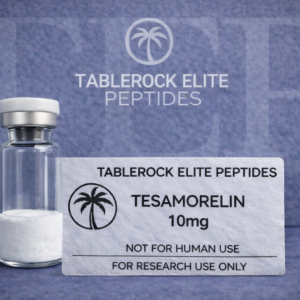
  • Tesamorelin 10mg – Research Peptide

    Tesamorelin 10mg – Research Peptide

    $40.99
    • Tesamorelin 10 mg – Research FAQ

      Q: What is Tesamorelin 10 mg?
      A: Tesamorelin 10 mg is a synthetic peptide analogue of growth hormone-releasing hormone (GHRH) supplied as a lyophilized research material for controlled laboratory and analytical investigation.

      Q: What is GHRH and why is it studied?
      A: Growth hormone-releasing hormone (GHRH) is a naturally occurring signaling peptide involved in regulation of the growth hormone signaling system.

      GHRH and related synthetic analogues are investigated to better understand receptor activation, endocrine signaling, downstream molecular responses, and interactions within the GH/IGF-associated signaling axis.

      Q: How is tesamorelin investigated in experimental systems?
      A: Tesamorelin is studied for its interaction with GHRH receptors and the resulting downstream signaling activity. Experimental research may examine receptor binding and activation, cellular signaling responses, endocrine pathway behavior, and associated molecular or biochemical markers.

      The specific experimental model, methodology, endpoints, and interpretation of results are determined by the individual research protocol.

      Q: What types of laboratory research may involve Tesamorelin 10 mg?
      A: Tesamorelin may be investigated in experimental models involving GHRH receptor pharmacology, peptide-receptor interactions, endocrine signaling, signal transduction, comparative peptide activity, and GH/IGF-associated pathway biology.

      Research findings can vary substantially depending on the experimental model and methodology used.

      Q: What is the GH/IGF signaling axis?
      A: The GH/IGF axis refers broadly to interconnected signaling involving growth hormone (GH), insulin-like growth factors (IGFs), their receptors, binding proteins, and related regulatory pathways.

      Researchers investigate this signaling network to better understand how endocrine signals interact and how changes in one part of the pathway may influence downstream molecular and cellular activity.

      Q: Are findings from laboratory or preclinical tesamorelin research considered established clinical effects?
      A: No. Results obtained from biochemical, cellular, animal, or other experimental models must be interpreted within the methodology and limitations of the individual study.

      Laboratory or preclinical findings should not be interpreted as establishing safety, effectiveness, or suitability for human or veterinary use.

      Q: Is this Tesamorelin 10 mg product a pharmaceutical drug product?
      A: No. This Tesamorelin 10 mg vial is supplied solely as a laboratory research material. It is not manufactured, labeled, or supplied as an approved pharmaceutical product and is not intended for clinical, diagnostic, preventative, therapeutic, or cosmetic use.

      Q: How should Tesamorelin 10 mg be stored in the laboratory?
      A: Lyophilized research material should generally be stored sealed, dry, protected from light and moisture, and under appropriate refrigerated or frozen laboratory conditions.

      Prepared laboratory solutions should be handled according to the applicable experimental protocol, product documentation, and institutional standard operating procedures. Repeated freeze-thaw cycles should be minimized where appropriate.

      Q: Does Tablerock provide dosing or administration instructions for Tesamorelin 10 mg?
      A: No. Tablerock Elite Peptides does not provide or endorse human or veterinary dosing, administration, injection, treatment protocols, reconstitution-for-human-use instructions, or self-administration guidance for this research material.

      Q: Is Tesamorelin 10 mg intended for human or veterinary use?
      A: No. Tesamorelin 10 mg is sold strictly for laboratory research use only. It must not be used for human or animal injection, ingestion, consumption, self-administration, diagnosis, treatment, cure, mitigation, prevention, or any other clinical or therapeutic purpose.

      Research Use Only. Not for Human or Veterinary Use.

  • TRX2R-40 – 40 mg Research Peptide

    TRX2R-40 – 40 mg Research Peptide

    $39.99
    • TRX2R-40 – Research FAQ

      Q: What is TRX2R-40?
      A: TRX2R-40 is a synthetic research peptide supplied as 40 mg of lyophilized research material per vial. It is characterized for research involving the GIP and GLP-1 receptor systems and is intended exclusively for controlled laboratory and analytical investigation.

      Q: Why is TRX2R-40 described as a dual-receptor agonist research peptide?
      A: TRX2R-40 is characterized as having activity involving both GIP and GLP-1 receptors. This receptor profile allows researchers to investigate receptor activation, signaling behavior, selectivity, and interactions between multiple receptor pathways under controlled experimental conditions.

      Q: What types of laboratory research may involve TRX2R-40?
      A: TRX2R-40 may be investigated in experimental models involving receptor pharmacology, ligand-receptor interactions, intracellular signal transduction, receptor activation, receptor selectivity, comparative peptide activity, and multi-receptor signaling behavior.

      The specific experimental design, model, methodology, and interpretation of findings are determined by the individual research protocol.

      Q: What makes TRX2R-40 useful for dual-receptor research?
      A: Because TRX2R-40 is characterized for activity involving two receptor systems, researchers may use it to investigate how GIP- and GLP-1-associated signaling pathways behave individually and in combination.

      This also allows comparison with research compounds having different receptor-activity profiles.

      Q: Are findings from laboratory or preclinical research involving TRX2R-40 considered established clinical effects?
      A: No. Findings obtained from biochemical, cellular, animal, or other experimental research models must be interpreted within the methodology and limitations of the individual study.

      Laboratory or preclinical findings should not be interpreted as demonstrating safety, effectiveness, or suitability for human or veterinary use.

      Q: Is TRX2R-40 a pharmaceutical drug product?
      A: No. TRX2R-40 is supplied solely as a laboratory research material. It is not manufactured, labeled, or supplied as an approved pharmaceutical product and is not intended for clinical, diagnostic, preventative, therapeutic, or cosmetic use.

      Q: How should TRX2R-40 be stored in the laboratory?
      A: Lyophilized research material should generally be stored sealed, dry, protected from light and moisture, and under appropriate refrigerated or frozen laboratory conditions.

      Prepared laboratory solutions should be handled according to the applicable experimental protocol, batch documentation, supplier specifications, and institutional standard operating procedures. Repeated freeze-thaw cycles should be minimized where appropriate.

      Q: Does Tablerock provide dosing or administration instructions for TRX2R-40?
      A: No. Tablerock Elite Peptides does not provide or endorse human or veterinary dosing, administration, injection, titration, treatment protocols, reconstitution-for-human-use instructions, or self-administration guidance for this research material.

      Q: Is TRX2R-40 intended for human or veterinary use?
      A: No. TRX2R-40 is sold strictly for laboratory research use only. It must not be used for human or animal injection, ingestion, consumption, self-administration, diagnosis, treatment, cure, mitigation, prevention, or any other clinical or therapeutic purpose.

      Q: Where can researchers find product-specific analytical information for TRX2R-40?
      A: Product-specific analytical information should be reviewed using the Certificate of Analysis associated with the applicable batch. Researchers should rely on the batch documentation for reported identity, purity, and content information rather than assuming equivalence to any separately named pharmaceutical or investigational compound.

      Research Use Only. Not for Human or Veterinary Use.

  • TRX3R-10 – Research Peptide

    TRX3R-10 – Research Peptide

    Price range: $19.99 through $50.99
    • TRX3R-10 – Research FAQ

      Q: What is TRX3R-10?
      A: TRX3R-10 is a synthetic research peptide characterized for activity involving the GLP-1, GIP, and glucagon receptor systems. Each vial contains 10 mg of lyophilized research material intended for controlled laboratory and analytical investigation.

      Q: Why is TRX3R-10 described as a triple-receptor or tri-agonist research peptide?
      A: TRX3R-10 is characterized for research involving three receptor systems: GLP-1, GIP, and glucagon receptors.

      This multi-receptor profile allows researchers to investigate receptor activation, signaling behavior, selectivity, and interactions among multiple receptor pathways within controlled experimental systems.

      Q: What aspects of TRX3R-10 are studied in research?
      A: Experimental research involving triple-receptor-active peptides may examine receptor pharmacology, ligand-receptor interactions, intracellular signal transduction, receptor selectivity, comparative peptide activity, and multi-receptor pathway behavior.

      Researchers may also compare experimental signaling characteristics with compounds that interact with single or dual receptor systems.

      The significance of reported findings depends on the experimental model, study design, methodology, and available evidence. Findings should be interpreted within the limitations of the individual study and should not be interpreted as established clinical effects.

      Q: What makes TRX3R-10 different from single- or dual-receptor research peptides?
      A: TRX3R-10 is characterized for research involving three receptor systems rather than one or two. This provides researchers with a model for comparing single-, dual-, and triple-receptor signaling characteristics and investigating relationships among multiple receptor pathways.

      Q: What are GLP-1, GIP, and glucagon receptors?
      A: GLP-1, GIP, and glucagon receptors are cell-surface receptors involved in interconnected biological signaling systems.

      Researchers study these receptors to better understand ligand-receptor interactions, receptor activation, intracellular signaling, receptor selectivity, and relationships among different signaling pathways.

      References to these receptor systems describe areas of scientific investigation and do not establish a therapeutic effect of TRX3R-10.

      Q: Is TRX3R-10 a pharmaceutical drug product?
      A: No. TRX3R-10 supplied by Tablerock Elite Peptides is provided solely as laboratory research material. It is not an FDA-approved drug product, finished dosage form, prescription medication, compounded medication, or substitute for an approved pharmaceutical product.

      Q: How should lyophilized TRX3R-10 research material be stored?
      A: Laboratory storage and handling should follow applicable institutional procedures, supplier documentation, batch-specific documentation, and established laboratory practices for peptide research materials.

      Researchers should minimize unnecessary exposure to heat, light, moisture, and repeated temperature changes that could affect material integrity.

      Q: Does Tablerock provide human dosing, administration, or treatment guidance for TRX3R-10?
      A: No. Tablerock Elite Peptides does not provide or endorse human or veterinary dosing, injection, administration, titration, treatment, reconstitution-for-human-use instructions, therapeutic protocols, or self-administration guidance for this research material.

      Q: Is TRX3R-10 intended for human or veterinary use?
      A: No. TRX3R-10 is sold strictly for laboratory research purposes. It is not intended for human or veterinary administration, injection, ingestion, consumption, diagnosis, treatment, cure, mitigation, prevention, or any other clinical or therapeutic use.

      Q: How can researchers verify the identity and purity of TRX3R-10?
      A: Researchers should review the Certificate of Analysis associated with the applicable batch for reported analytical identity, purity, quantity, and other test results. Product-specific analytical documentation should be used rather than assuming equivalence to any separately named pharmaceutical or investigational compound.

      Research Use Only. Not for Human or Veterinary Use.

      Batch Documentation

      Current batch COA: View TRX3R-10 COA

      Additional batch-specific analytical documentation is available through the Tablerock Elite Peptides Certificates of Analysis (COA) Library.

    Select optionsLoading Done This product has multiple variants. The options may be chosen on the product page
  • TRX3R-30 – Research Peptide

    TRX3R-30 – Research Peptide

    Price range: $49.99 through $139.99
    • TRX3R-30 – Research FAQ

      Q: What is TRX3R-30?
      A: TRX3R-30 is a synthetic research peptide characterized for activity involving the GLP-1, GIP, and glucagon receptor systems. Each vial contains 30 mg of lyophilized research material intended for controlled laboratory and analytical investigation.

      Q: Why is TRX3R-30 described as a triple-receptor or tri-agonist research peptide?
      A: TRX3R-30 is characterized for research involving three receptor systems: GLP-1, GIP, and glucagon receptors.

      This multi-receptor profile allows researchers to investigate receptor activation, signaling behavior, selectivity, and interactions among multiple receptor pathways within controlled experimental systems.

      Q: What aspects of TRX3R-30 are studied in research?
      A: Experimental research involving triple-receptor-active peptides may examine receptor pharmacology, ligand-receptor interactions, intracellular signal transduction, receptor selectivity, comparative peptide activity, and multi-receptor pathway behavior.

      Researchers may also compare experimental signaling characteristics with compounds that interact with single or dual receptor systems.

      The significance of reported findings depends on the experimental model, study design, methodology, and available evidence. Findings should be interpreted within the limitations of the individual study and should not be interpreted as established clinical effects.

      Q: What makes TRX3R-30 different from single- or dual-receptor research peptides?
      A: TRX3R-30 is characterized for research involving three receptor systems rather than one or two. This provides researchers with a model for comparing single-, dual-, and triple-receptor signaling characteristics and investigating relationships among multiple receptor pathways.

      Q: What are GLP-1, GIP, and glucagon receptors?
      A: GLP-1, GIP, and glucagon receptors are cell-surface receptors involved in interconnected biological signaling systems.

      Researchers study these receptors to better understand ligand-receptor interactions, receptor activation, intracellular signaling, receptor selectivity, and relationships among different signaling pathways.

      References to these receptor systems describe areas of scientific investigation and do not establish a therapeutic effect of TRX3R-30.

      Q: Is TRX3R-30 a pharmaceutical drug product?
      A: No. TRX3R-30 supplied by Tablerock Elite Peptides is provided solely as laboratory research material. It is not an FDA-approved drug product, finished dosage form, prescription medication, compounded medication, or substitute for an approved pharmaceutical product.

      Q: How should lyophilized TRX3R-30 research material be stored?
      A: Laboratory storage and handling should follow applicable institutional procedures, supplier documentation, batch-specific documentation, and established laboratory practices for peptide research materials.

      Researchers should minimize unnecessary exposure to heat, light, moisture, and repeated temperature changes that could affect material integrity.

      Q: Does Tablerock provide human dosing, administration, or treatment guidance for TRX3R-30?
      A: No. Tablerock Elite Peptides does not provide or endorse human or veterinary dosing, injection, administration, titration, treatment, reconstitution-for-human-use instructions, therapeutic protocols, or self-administration guidance for this research material.

      Q: Is TRX3R-30 intended for human or veterinary use?
      A: No. TRX3R-30 is sold strictly for laboratory research purposes. It is not intended for human or veterinary administration, injection, ingestion, consumption, diagnosis, treatment, cure, mitigation, prevention, or any other clinical or therapeutic use.

      Q: How can researchers verify the identity and purity of TRX3R-30?
      A: Researchers should review the Certificate of Analysis associated with the applicable batch for reported analytical identity, purity, quantity, and other test results. Product-specific analytical documentation should be used rather than assuming equivalence to any separately named pharmaceutical or investigational compound.

      Research Use Only. Not for Human or Veterinary Use.

      Batch Documentation

      Current batch COA: View TRX3R-30 COA

      Additional batch-specific analytical documentation is available through the Tablerock Elite Peptides Certificates of Analysis (COA) Library.

    Select optionsLoading Done This product has multiple variants. The options may be chosen on the product page